
Mini Cow Care: A Simple Guide for New Owners
Mini cows may be smaller than standard cattle, but they still need suitable land, secure fencing, proper nutrition, clean water, companionship and routine veterinary care. This guide covers the basic preparations every owner should consider before bringing miniature cattle home.
View Available Mini Cows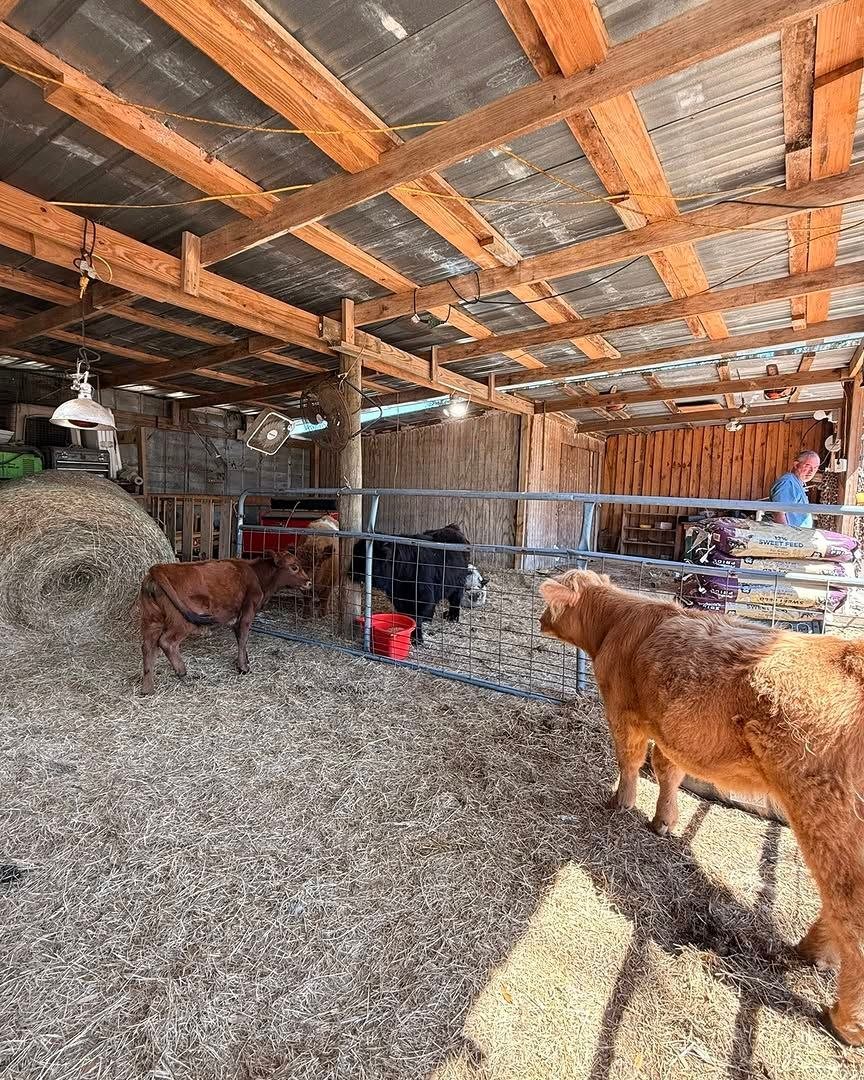
Preparing for a Mini Cow
Prepare your property before your mini cow arrives. A suitable setup should provide for the animal’s daily needs and allow safe access for routine care and transportation.
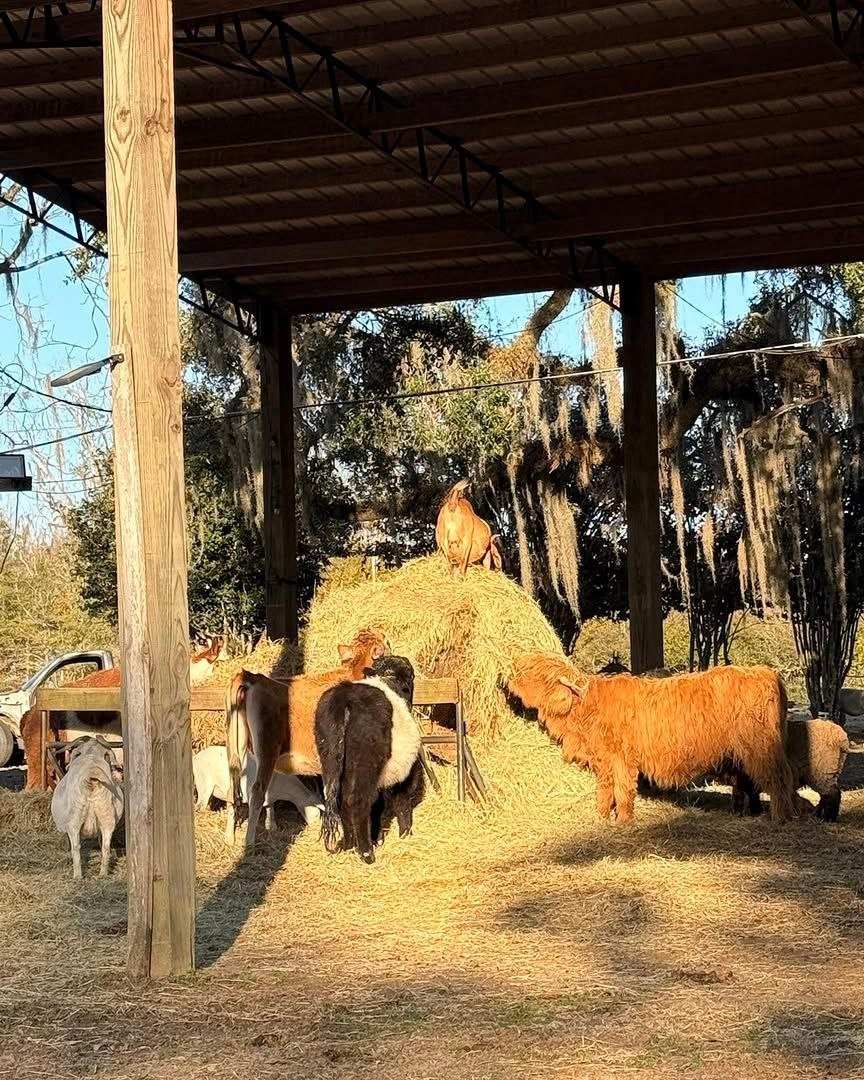
Secure Fencing
Use properly maintained livestock fencing and gates.
Clean Water
Provide a dependable source of fresh, accessible water.
Pasture and Feeding Area
Prepare safe pasture or another appropriate feeding area.
Shade and Shelter
Provide protection from heat and severe weather.
Safe Handling Space
Allow room for routine handling and veterinary care.
Suitable Companionship
Plan for the animal’s social and herd needs.
Transportation Access
Ensure the delivery vehicle can reach a safe receiving area.
The correct setup will depend on the individual animal, your property and local conditions.
Mini Cow Care Essentials
Good daily care begins with suitable nutrition, secure surroundings, appropriate companionship and regular observation.
Feeding and Watering Mini Cows
Miniature cattle need a balanced feeding plan based on their age, weight, health and stage of development. Pasture and good-quality forage usually form the foundation of their diet, while hay may be needed when grazing is limited.
Additional feed or cattle minerals should be selected with advice from a veterinarian or qualified livestock nutrition professional. Make feed changes gradually to help reduce digestive problems.
Fresh, clean water should remain available every day. Water needs can increase during hot weather and vary according to the animal’s size and condition.
Read the cattle water guide from UNL ExtensionFencing, Space and Shelter
Mini cows require strong, properly maintained fencing designed for cattle. Check gates, posts, corners and damaged sections regularly.
The amount of land needed depends on pasture quality, climate, drainage, soil conditions and whether supplemental feeding is available. One acreage recommendation will not suit every property.
Provide accessible shade during hot weather and suitable protection from heavy rain, strong wind and other severe conditions.
Companionship and Daily Care
Cattle are herd animals and generally do best with appropriate companionship. A mini cow should not be treated as an indoor pet or expected to live alone without professional guidance.
Check your cattle every day. Pay attention to their appetite, movement, behavior, water supply, fencing and general condition. Regular observation can help you notice changes early.
Routine Health Care
Establish a relationship with a large-animal veterinarian before your mini cow arrives. Your veterinarian can help create an appropriate plan for vaccinations, parasite control, hoof care and other routine health needs.
Contact a veterinarian if an animal stops eating, becomes unusually inactive, has difficulty walking or breathing, or shows another sudden change in behavior or condition.
Do not give medication or follow a general treatment schedule without professional advice.
Before Your Mini Cow Arrives
Complete these preparations before transportation so the animal can enter a secure and properly prepared environment.
- Inspect the fencing and gates
- Fill and test the water source
- Prepare pasture, forage or hay
- Confirm that shade and shelter are available
- Arrange access to a livestock veterinarian
- Prepare a secure receiving area
- Confirm access for the delivery vehicle
- Ask about the animal’s current feeding routine
- Prepare suitable companionship
- Keep purchase and ownership documents available
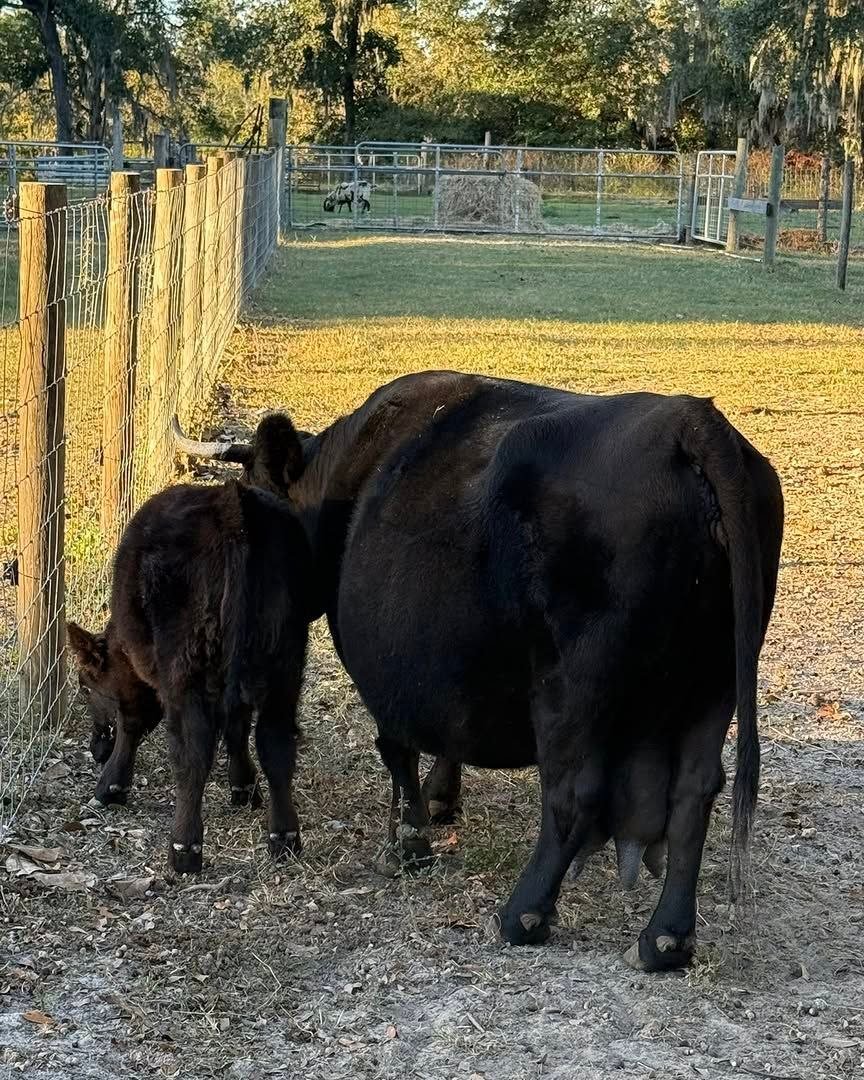
Questions From New Mini Cow Owners
Find straightforward answers to common questions about preparing for and caring for miniature cattle.
What Do Mini Cows Eat?
Mini cows generally eat pasture and forage, with hay provided when grazing is limited. Their feeding needs depend on factors such as age, weight, health and local conditions.
How Much Space Does a Mini Cow Need?
There is no single acreage requirement suitable for every mini cow. The amount of usable land needed depends on pasture quality, climate, soil, drainage and the availability of supplemental feed.
Do Mini Cows Need Companionship?
Cattle are social animals and generally benefit from living with suitable cattle companions. Discuss the needs of your particular animal with the farm and your veterinarian.
What Type of Fencing Do Mini Cows Need?
Use secure livestock fencing that is appropriate for cattle. Fences and gates should be inspected regularly and repaired when necessary.
Do Mini Cows Need Shelter?
Mini cows need access to shade and suitable protection from severe weather. The type of shelter required will depend on the climate and property.